


Introduction
When a heat pump stops heating during winter, it quickly becomes more than a minor inconvenience. In colder Canadian climates, indoor temperatures can drop rapidly, affecting both comfort and safety if the issue is not addressed promptly. While heat pumps are designed to operate efficiently even in low temperatures, several factors can interfere with their performance over time. Understanding the most common causes of heating issues allows homeowners to act quickly, avoid unnecessary strain on the system, and restore proper operation before the problem worsens.
Key Takeaways
-
A heat pump that is not heating usually has a clear and identifiable cause
-
Many basic issues can be checked without specialized tools or technical expertise
-
Poor maintenance is one of the most common reasons for reduced system performance
-
Cold Canadian winters place additional strain on heat pump components
-
Key elements such as the compressor and reversing valve play a critical role in heating
-
Incorrect thermostat settings can prevent the system from operating properly
-
Refrigerant-related issues always require professional diagnosis and repair
-
Early troubleshooting helps prevent more complex and costly problems
Understanding How a Heat Pump Works
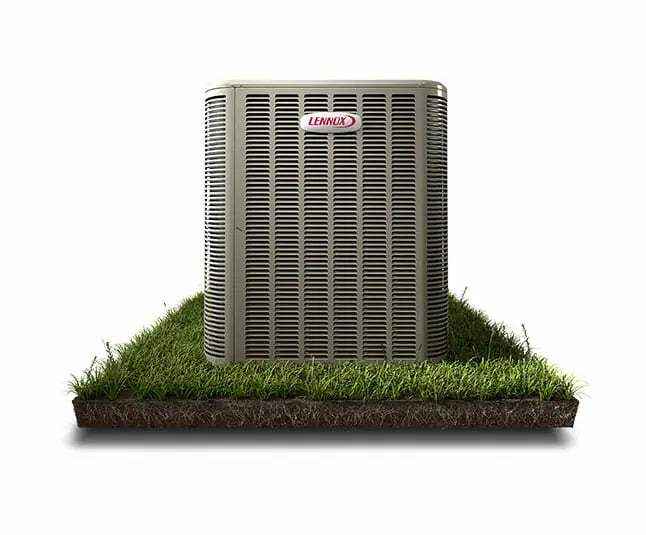
A heat pump operates differently from traditional heating systems such as furnaces. Instead of generating heat directly, it transfers heat from the outdoor air into the home, even when temperatures are below freezing. This process relies on a continuous refrigeration cycle that moves heat energy from one place to another.
To function effectively, the system depends on several interconnected components working in coordination:
-
The compressor, which increases refrigerant pressure and temperature
-
Indoor and outdoor coils that allow heat exchange to occur
-
The reversing valve, which controls whether the system is heating or cooling
-
Electronic controls that regulate operation and system timing
Each of these components plays a specific role in maintaining indoor comfort. When one part becomes inefficient or fails, the entire heating process is affected. This is why even relatively minor issues, such as airflow restriction or sensor malfunction, can lead to noticeable performance drops.
The Most Common Reasons a Heat Pump Is Not Heating
Thermostat Settings or Malfunction
Before assuming a mechanical problem, it is essential to verify that the thermostat is configured correctly. Many heating issues originate from incorrect settings rather than equipment failure, and these situations can often be resolved quickly.
Homeowners should take a moment to confirm:
-
The system is set to “heat” mode
-
The desired temperature is higher than the current room temperature
-
The thermostat display is active and responsive
-
Batteries are functioning if applicable
If all settings appear correct, the issue may be related to calibration or communication between the thermostat and the system. In these cases, the unit may run inconsistently or fail to maintain the desired temperature, even though it appears operational.
Ice Buildup on the Outdoor Unit
In winter conditions, it is normal for a light layer of frost to form on the outdoor unit. However, excessive ice buildup can block airflow and prevent the system from extracting heat effectively, leading to reduced performance.
This issue can result from several contributing factors, including:
-
Snow accumulation around or on the unit
-
Restricted airflow due to debris or obstructions
-
A malfunctioning or insufficient defrost cycle
To help prevent this situation, homeowners should:
-
Keep at least 60 cm of clearance around the unit
-
Remove snow after heavy accumulation
-
Avoid placing objects near the unit that could block airflow
Maintaining proper airflow around the outdoor unit is essential for consistent operation and helps prevent avoidable performance issues during colder months.
Dirty or Blocked Air Filter
Airflow is one of the most important factors in heat pump performance. A dirty or clogged filter restricts airflow, making it difficult for the system to distribute heat evenly throughout the home.
When airflow is reduced, several consequences may occur:
-
Uneven heating between rooms
-
Longer operating cycles
-
Increased strain on internal components
-
Reduced overall efficiency
To maintain optimal airflow, it is recommended to:
-
Inspect filters regularly during heating season
-
Replace disposable filters every one to three months
-
Clean reusable filters according to manufacturer guidelines
This simple maintenance step can significantly improve performance and help prevent unnecessary system strain.
Low Refrigerant Levels
Refrigerant plays a central role in transferring heat within the system. It circulates continuously and does not get consumed under normal conditions. If refrigerant levels are low, it typically indicates a leak somewhere in the system.
Common indicators of this issue include:
-
Air that feels lukewarm rather than warm
-
Ice forming on system components
-
Reduced heating performance over time
-
Longer cycles without reaching the desired temperature
Because refrigerant handling requires specialized tools and certification, this type of issue should always be addressed by a qualified technician. Attempting to resolve it without proper expertise may lead to further complications.
Reversing Valve Failure
The reversing valve is responsible for switching the heat pump between heating and cooling modes. If this component fails or becomes stuck, the system may remain in cooling mode even when heating is required.
This situation often presents with the following signs:
-
Cool or neutral air coming from vents in heating mode
-
No noticeable temperature increase indoors
-
System operation that appears normal but is ineffective
Since this component is part of the refrigerant circuit, repairs require professional tools and expertise to ensure proper operation.
Compressor Issues
The compressor is a critical component that drives the entire heat transfer process. Without it, the refrigerant cannot circulate, and the system cannot produce heat.
When compressor issues develop, homeowners may notice:
-
Unusual noises such as rattling or grinding
-
Difficulty starting the system
-
Frequent shutdowns or inconsistent operation
-
Complete loss of heating output
Prompt attention to these symptoms is important, as continued operation under faulty conditions can lead to more extensive system damage.
Auxiliary Heating Not Activating
In colder climates, many heat pump systems rely on auxiliary heating to maintain indoor comfort when outdoor temperatures drop significantly. This secondary system supports the heat pump when it becomes less efficient in extreme cold.
If auxiliary heating is not functioning properly, the system may struggle to maintain the desired temperature. This can occur due to control issues, configuration problems, or component failure.
To better understand this situation, homeowners can:
-
Check thermostat indicators for auxiliary heating activation
-
Monitor system performance during colder periods
-
Note whether indoor temperature stabilizes or continues to drop
Ensuring proper coordination between the heat pump and auxiliary heating system is essential for consistent winter performance.
Climate Considerations in Canadian Conditions
Heat pumps operating in Canada must withstand demanding winter conditions. Extremely low temperatures, heavy snowfall, and ice accumulation all place additional stress on system components and overall performance.
Several environmental factors influence how a system performs:
-
Outdoor temperature fluctuations
-
Snow accumulation around equipment
-
Wind exposure and airflow conditions
-
System sizing relative to the home
In some situations, reduced performance may not indicate a malfunction but rather a limitation of the equipment in extreme conditions. Systems designed for milder climates may struggle to maintain efficiency during prolonged cold periods.
Understanding these factors helps homeowners set realistic expectations and recognize when performance issues require attention.
Summary Table of Causes and Recommended Actions
|
Issue |
Likely Cause |
Recommended Action |
|
No heating |
Incorrect thermostat setting |
Verify settings |
|
Lukewarm air |
Low refrigerant |
Contact a professional |
|
Ice buildup |
Defrost or airflow issue |
Clear surroundings |
|
Weak airflow |
Dirty filter |
Replace or clean filter |
|
Poor cold weather performance |
Auxiliary heat not active |
Check system operation |
Basic Checks Before Calling for Service
Before requesting professional service, it is helpful to perform a few simple checks that may resolve the issue or clarify its cause. These steps require minimal effort and can provide valuable insight into system performance.
A practical checklist includes:
-
Confirm thermostat mode and temperature settings
-
Inspect and replace the air filter if necessary
-
Check the outdoor unit for snow, ice, or debris
-
Ensure the system has power and breakers are not tripped
-
Observe system startup and airflow from vents
Completing these steps can help eliminate minor issues and provide useful information if a technician visit becomes necessary.
When to Call a Professional
Some problems require specialized tools and expertise to resolve safely and effectively. Attempting to repair complex components without proper training may lead to additional damage or safety risks.
Professional assistance is recommended in the following situations:
-
The system does not start or respond
-
The heat pump runs continuously without producing heat
-
Unusual or loud noises are present
-
Ice buildup persists despite normal operation
-
The same issue occurs repeatedly
In these cases, a trained technician can safely assess the system and perform the necessary diagnostics. Working with an experienced provider such as Fernand Denis Inc. ensures that each component is properly evaluated and that any required repairs are carried out according to best practices.
A qualified technician can perform a detailed inspection, identify the root cause, and ensure that all components are functioning correctly, helping restore reliable and efficient heating.
Repair or Further Intervention: How to Decide
When a heating issue arises, evaluating the situation carefully helps determine the appropriate course of action. Some problems can be resolved through simple maintenance, while others may require more extensive intervention.
|
Situation |
Recommended Approach |
|
Minor issue |
Basic adjustment or maintenance |
|
Specific component failure |
Targeted repair |
|
Gradual performance decline |
Full system inspection |
|
Repeated issues |
Comprehensive evaluation |
Making an informed decision helps maintain system efficiency and reduces the likelihood of recurring problems.
Preventive Maintenance for Long-Term Performance
Preventive maintenance is one of the most effective ways to avoid heating issues and extend the lifespan of a heat pump. Regular servicing ensures that all components are functioning properly and that potential problems are addressed early.
A complete maintenance routine typically includes:
-
Inspection of all system components
-
Cleaning of indoor and outdoor units
-
Verification of electrical connections
-
Testing of system performance under load
Homeowners can also support system reliability by adopting simple habits:
-
Replacing or cleaning filters regularly
-
Keeping the outdoor unit clear throughout the winter
-
Monitoring system performance during seasonal changes
-
Paying attention to unusual sounds or behaviour
Planning maintenance ahead of the winter season helps ensure the system is prepared to handle increased demand.
Conclusion
A heat pump that is not heating should always be addressed promptly, especially during colder months. In many cases, the issue can be traced back to common causes such as thermostat settings, airflow restrictions, or component malfunctions. While some basic checks can be performed independently, more complex issues require professional expertise to ensure safe and effective repairs.
Taking a proactive approach through regular maintenance and early diagnosis helps maintain indoor comfort and supports the long-term performance of the system. When the issue cannot be resolved through basic troubleshooting, working with a qualified HVAC professional such as Fernand Denis Inc. helps ensure that the system is properly diagnosed and restored to reliable operation.
Frequently Asked Questions About Heat Pumps Not Heating
Why is my heat pump running but not heating?
This situation often indicates an issue with airflow, refrigerant levels, or internal components such as the reversing valve. Even if the system appears to be operating, it may not be transferring heat efficiently. A proper inspection helps identify and resolve the root cause.
Is it normal for a heat pump to struggle in very cold weather?
Yes, heat pumps can lose efficiency as temperatures drop significantly. Many systems rely on auxiliary heating to maintain comfort during extreme cold. If the system is not designed for colder climates, performance may decrease noticeably.
How often should I change my air filter?
Air filters should generally be checked every month and replaced every one to three months depending on usage. Homes with pets or higher dust levels may require more frequent changes. Maintaining a clean filter helps ensure proper airflow and consistent heating.
What should I do if my outdoor unit is covered in ice?
A light layer of frost is normal, but heavy ice buildup is not. Homeowners should clear surrounding snow and allow the defrost cycle to function properly. If the ice persists, professional inspection may be necessary.
Can I fix a refrigerant issue myself?
No, refrigerant systems require specialized tools and certification for safe handling. Attempting to repair these issues without proper training can damage the system and create safety risks. A qualified technician should always handle refrigerant-related work.
When should I call a technician?
If basic troubleshooting steps do not resolve the issue or if the system shows signs of mechanical failure, it is best to contact a professional. Early intervention helps prevent further damage and ensures safe, reliable operation.


Partager:
Furnace Maintenance: The Complete Guide for Canadian Homeowners
Heat Pump vs Furnace: Which Heating System Is Right for Your Home?