


Introduction
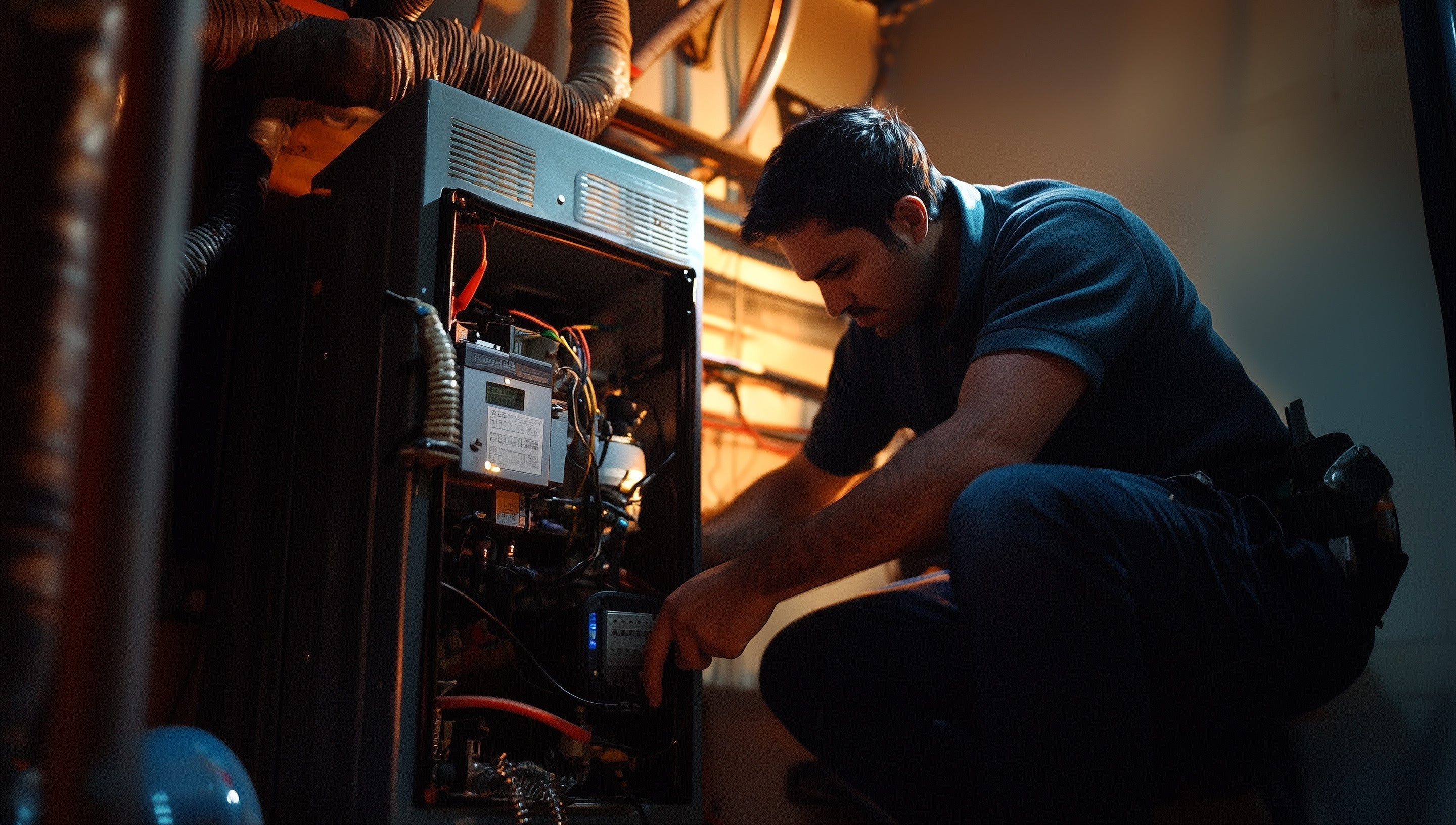
Furnace maintenance is one of the most important responsibilities for Canadian homeowners, especially in regions where winter temperatures remain below freezing for extended periods. A properly maintained furnace ensures reliable heating, improved energy efficiency, and safer indoor air quality throughout the season. When maintenance is neglected, even minor issues can quickly develop into costly repairs or unexpected breakdowns. Understanding how to care for your furnace helps protect your comfort, your home, and your long-term investment, while also reducing the likelihood of emergency service calls during peak winter months.
Key Takeaways
-
Furnace maintenance is essential for safety, efficiency, and system longevity
-
Annual professional servicing helps prevent unexpected breakdowns
-
Simple homeowner tasks can significantly reduce wear and tear
-
Canadian winters place heavy and continuous demand on heating systems
-
Poor maintenance can lead to higher energy consumption and uneven heating
-
Early warning signs often appear before major furnace failures
-
Different furnace types require slightly different maintenance approaches
-
Preventive maintenance improves indoor air quality and overall comfort
Why Furnace Maintenance Is Critical in Canada
Canadian climate conditions create a demanding environment for residential heating systems. In many regions, furnaces operate continuously for several months, which accelerates wear on both mechanical and electrical components. This prolonged operation increases the likelihood of performance degradation if maintenance is not performed consistently.
In addition to performance concerns, furnace maintenance also plays a critical role in household safety. Combustion-based systems must function properly to avoid risks such as improper venting or incomplete combustion, both of which can affect indoor air quality and occupant safety.
Key reasons to prioritize regular furnace maintenance include:
-
Improving energy efficiency and reducing unnecessary fuel consumption
-
Ensuring safe operation by minimizing risks such as carbon monoxide exposure
-
Extending the lifespan of the equipment through consistent upkeep
-
Maintaining consistent heating performance across all living areas
-
Supporting proper airflow and indoor air quality
By addressing these factors proactively, homeowners can avoid many of the common issues that arise during peak heating season and ensure reliable system operation.
How Often Should You Service Your Furnace?
Most HVAC professionals recommend servicing a furnace once per year. This allows time to identify and resolve potential issues before the system is required to run continuously.
However, certain household conditions may require adjustments to this schedule. Factors such as system age, indoor air quality, and occupancy levels can all influence how often maintenance should be performed.
|
Situation |
Recommended Frequency |
|
Standard furnace |
Once annually |
|
Furnace over 12 years old |
Twice annually |
|
Homes with pets or dust |
Filter checks every 6–8 weeks |
|
High-efficiency systems |
Annual inspection with drain check |
|
Homes with air quality concerns |
Twice annually |
Adapting maintenance frequency based on these conditions helps ensure the furnace continues to operate efficiently and reliably over time.
Furnace Maintenance Tasks You Can Do Yourself
While professional servicing is essential, homeowners can play an active role in maintaining their furnace between visits. These routine tasks are simple, require minimal tools, and can significantly reduce system strain.
Replace or Clean the Air Filter
The air filter is one of the most important components affecting furnace performance. When it becomes clogged, airflow is restricted, forcing the system to work harder and reducing efficiency.
To maintain proper airflow and performance:
-
Check the filter regularly during the heating season
-
Replace disposable filters every one to three months
-
Clean reusable filters according to manufacturer guidelines
Common filter types include fibreglass, pleated, and high-efficiency filters, each with different replacement intervals. Keeping the filter clean helps ensure consistent heating and contributes to better indoor air quality.
Keep the Area Around the Furnace Clear
Maintaining clear space around the furnace is essential for both safety and performance. Restricted airflow can reduce efficiency and increase the risk of overheating.
To maintain a safe environment:
-
Keep at least one metre of clearance around the unit
-
Avoid storing flammable materials nearby
-
Ensure air intake and exhaust pathways remain unobstructed
This simple step helps improve airflow and ensures that the system operates under optimal conditions.
Inspect the Flue Pipe
The flue pipe plays a critical role in directing combustion gases safely outside the home. Even minor damage or blockages can impact system safety and performance.
During inspections, homeowners should look for:
-
Rust or corrosion on pipe sections
-
Loose or disconnected joints
-
Signs of soot or staining around connections
-
Obstructions at the exterior vent
Regular visual checks help identify potential issues early and allow for timely professional intervention when needed.
Test Carbon Monoxide and Smoke Detectors
Safety devices are an essential part of furnace maintenance. Carbon monoxide detectors and smoke alarms provide early warnings of potential hazards.
Homeowners should make it a habit to:
-
Test detectors monthly
-
Replace batteries regularly
-
Ensure detectors are installed on every level of the home
These steps help ensure that safety systems remain fully functional throughout the heating season.
Inspect the Condensate Drain (High-Efficiency Furnaces)
High-efficiency furnaces produce condensate that must be drained properly to avoid system interruptions. A blocked drain line can trigger shutdowns and affect performance.
To maintain proper operation:
-
Check the drain line for blockages
-
Ensure water flows freely
-
Address slow drainage early
Routine checks help prevent avoidable disruptions and maintain system reliability.
What a Professional Furnace Tune-Up Includes
Professional maintenance involves a detailed inspection of internal components that are not accessible during routine homeowner checks. This level of servicing ensures the furnace operates safely and efficiently throughout the heating season.
A complete tune-up typically includes:
-
Heat exchanger inspection for structural integrity
-
Burner cleaning and combustion testing
-
Electrical component inspection and testing
-
Blower motor evaluation and adjustment
-
Gas pressure verification and calibration
These procedures help identify potential issues early, allowing for preventive repairs and reducing the likelihood of unexpected failures during colder months.
Signs Your Furnace Needs Immediate Attention
Even with regular maintenance, certain warning signs may appear between service visits. Recognizing these indicators early allows homeowners to act quickly and avoid more serious problems.
Common signs include:
-
Persistent unusual odours during operation
-
Loud or abnormal noises such as banging or rattling
-
Uneven heating or cold spots in the home
-
Rising energy bills without clear explanation
-
Frequent cycling or inconsistent performance
These symptoms often point to underlying mechanical or airflow issues. Addressing them early helps maintain system performance and prevents further damage.
Furnace Maintenance by System Type
Different furnace types require slightly different maintenance approaches. Understanding these differences helps ensure that each system receives appropriate care.
The most common furnace types include:
-
Natural gas furnaces, which require combustion and ventilation checks
-
Oil furnaces, which require more frequent cleaning due to residue buildup
-
Propane systems, commonly used in rural areas
-
Electric furnaces, which focus on electrical components and airflow
Each system has unique characteristics, but all benefit from consistent maintenance and periodic professional inspection.
Seasonal Furnace Maintenance Checklist
A structured maintenance schedule helps ensure that important tasks are completed at the right time throughout the year. This approach reduces the risk of overlooking critical maintenance steps.
Before the heating season
Before temperatures drop, homeowners should prepare their furnace by completing key checks:
-
Inspect and replace the air filter
-
Test thermostat operation
-
Check detectors and replace batteries
-
Inspect visible components
-
Schedule professional maintenance
During the heating season
While the system is in use, ongoing monitoring helps maintain performance:
-
Monitor system operation regularly
-
Listen for unusual sounds
-
Check filters frequently
-
Ensure consistent airflow
After the heating season
At the end of winter, reviewing system performance helps prepare for the next cycle:
-
Replace the filter if needed
-
Note any performance issues
-
Prepare for the next maintenance schedule
Following a structured checklist ensures consistent performance and reduces long-term wear.
Choosing a Qualified Furnace Professional
Selecting a qualified professional is essential for safe and effective furnace maintenance. Not all service providers offer the same level of expertise, so evaluating credentials is an important step.
Homeowners should look for:
-
Proper licensing and certification
-
Experience with residential HVAC systems
-
Clear explanation of services performed
-
Comprehensive inspection procedures
Working with a trusted provider such as Fernand Denis Inc. helps ensure that maintenance is carried out thoroughly and that all system components are properly evaluated.
Furnace Maintenance and Indoor Air Quality
Furnace maintenance has a direct impact on indoor air quality. A system that is not properly maintained can circulate dust, allergens, and other particles throughout the home.
Regular maintenance improves air quality by:
-
Ensuring filters capture airborne contaminants
-
Reducing buildup within the system
-
Supporting consistent airflow
These improvements contribute to a healthier indoor environment, particularly during winter months when ventilation is limited.
Repair or Replace: How to Decide
Over time, homeowners may need to decide whether to repair or replace their furnace. This decision depends on several factors related to system condition and performance.
|
Factor |
Consider Repair |
Consider Replacement |
|
Age |
Under 12 years |
Over 15 years |
|
Performance |
Stable |
Declining |
|
Repairs |
Occasional |
Frequent |
|
Efficiency |
Modern |
Outdated |
Evaluating these factors helps determine the most practical long-term solution for maintaining comfort and efficiency.
When to Call a Professional
Some furnace issues require specialized tools and technical expertise to resolve safely. Attempting to repair internal components without proper training can lead to additional damage or safety risks.
Professional assistance is recommended when:
-
The furnace does not start or respond
-
Heating is inconsistent or insufficient
-
Unusual noises or odours are present
-
The system cycles frequently or shuts down unexpectedly
-
Performance issues continue despite basic maintenance
In these situations, working with an experienced provider such as Fernand Denis Inc. ensures that the system is thoroughly inspected and that any required repairs are carried out safely and effectively.
Conclusion
Furnace maintenance plays a critical role in ensuring reliable heating, energy efficiency, and safe operation throughout the Canadian winter. By combining regular professional servicing with simple homeowner maintenance tasks, it is possible to significantly reduce the risk of unexpected breakdowns and extend the lifespan of the system.
Taking a proactive approach to furnace care helps maintain indoor comfort and supports long-term performance. When maintenance or repairs require professional expertise, working with a qualified HVAC provider such as Fernand Denis Inc. ensures that the system is properly maintained and ready to perform when it is needed most.
Frequently Asked Questions About Furnace Maintenance
How often should I service my furnace?
Most furnaces should be serviced once per year, ideally before the heating season begins. This ensures the system is ready for continuous operation during colder months. Additional inspections may be recommended for older systems or high-use households.
What happens if I don’t maintain my furnace?
Neglecting maintenance can lead to reduced efficiency, higher energy costs, and increased risk of breakdowns. Over time, small issues can develop into more serious mechanical failures. Regular servicing helps prevent these problems and ensures consistent performance.
Can I perform furnace maintenance myself?
Homeowners can handle basic tasks such as filter replacement and visual inspections. However, internal components and safety checks require professional expertise. A combination of both approaches ensures optimal system performance.
Why is my furnace making unusual noises?
Unusual noises often indicate worn components, loose parts, or airflow issues. These sounds should not be ignored, as they may signal developing problems. A professional inspection helps identify and resolve the issue before it worsens.
Does furnace maintenance improve air quality?
Yes, regular maintenance helps reduce dust and airborne particles circulating in the home. Clean filters and properly functioning components contribute to better air quality. This is especially important during winter months when indoor air is recirculated.
When should I consider replacing my furnace?
Replacement may be necessary if the system is older, inefficient, or requires frequent repairs. Evaluating performance trends and repair history helps guide this decision. A professional assessment can provide additional insight based on your system’s condition.


Partager:
Heat Pump Not Heating: Causes, Solutions and Essential Diagnostics