


Introduction
Choosing between a heat pump and a furnace is one of the most important decisions Canadian homeowners face when upgrading or replacing their heating system. The right choice depends on several factors, including your province, energy costs, home construction, and how cold your winters get. While both systems can provide reliable heating, they operate differently and perform better under specific conditions.
Because Canada spans a wide range of climates, from milder coastal regions to extremely cold prairie winters, there is no single answer that applies to every household. What works well in Vancouver may not be suitable for Winnipeg or northern Quebec. This is why understanding how each system behaves in real-world conditions is essential before making a decision.
Understanding how each system works, how they perform in Canadian climates, and what they cost to install and operate will help you make a confident, well-informed decision. This guide explores both technologies in detail, covering performance, efficiency, costs, environmental impact, and long-term comfort.
Key Takeaways
-
Heat pumps transfer heat, while furnaces generate heat through combustion
-
Cold-climate heat pumps can operate effectively in most Canadian regions
-
Natural gas furnaces provide consistent heating regardless of outdoor temperature
-
Operating costs depend heavily on provincial energy rates
-
Installation costs vary significantly depending on system type
-
Rebates can substantially reduce heat pump installation costs
-
Dual-fuel systems offer a balanced solution in many regions
-
Long-term performance depends on proper sizing and installation
How Each System Works
Understanding how these systems operate is essential for comparing their performance and efficiency. Although both systems aim to heat your home, the methods they use are fundamentally different, which directly affects operating costs, comfort, and long-term reliability.
How a Heat Pump Heats Your Home
A heat pump does not generate heat by burning fuel. Instead, it transfers heat from outdoor air into your home using a refrigerant cycle. Even in cold temperatures, outdoor air contains thermal energy that can be extracted and moved indoors.
Modern systems are designed specifically for Canadian climates and can operate effectively at temperatures as low as −25°C. This makes them a viable option in many regions, particularly when properly sized and installed according to local climate conditions.
Key characteristics of heat pumps include:
-
High efficiency due to heat transfer rather than heat generation
-
Ability to provide both heating and cooling
-
Variable-speed operation for consistent indoor temperatures
Because heat pumps operate continuously at lower output levels, they provide steady and even heating rather than short bursts of warm air. This results in a more stable indoor environment with fewer temperature fluctuations throughout the day.
How a Gas Furnace Heats Your Home
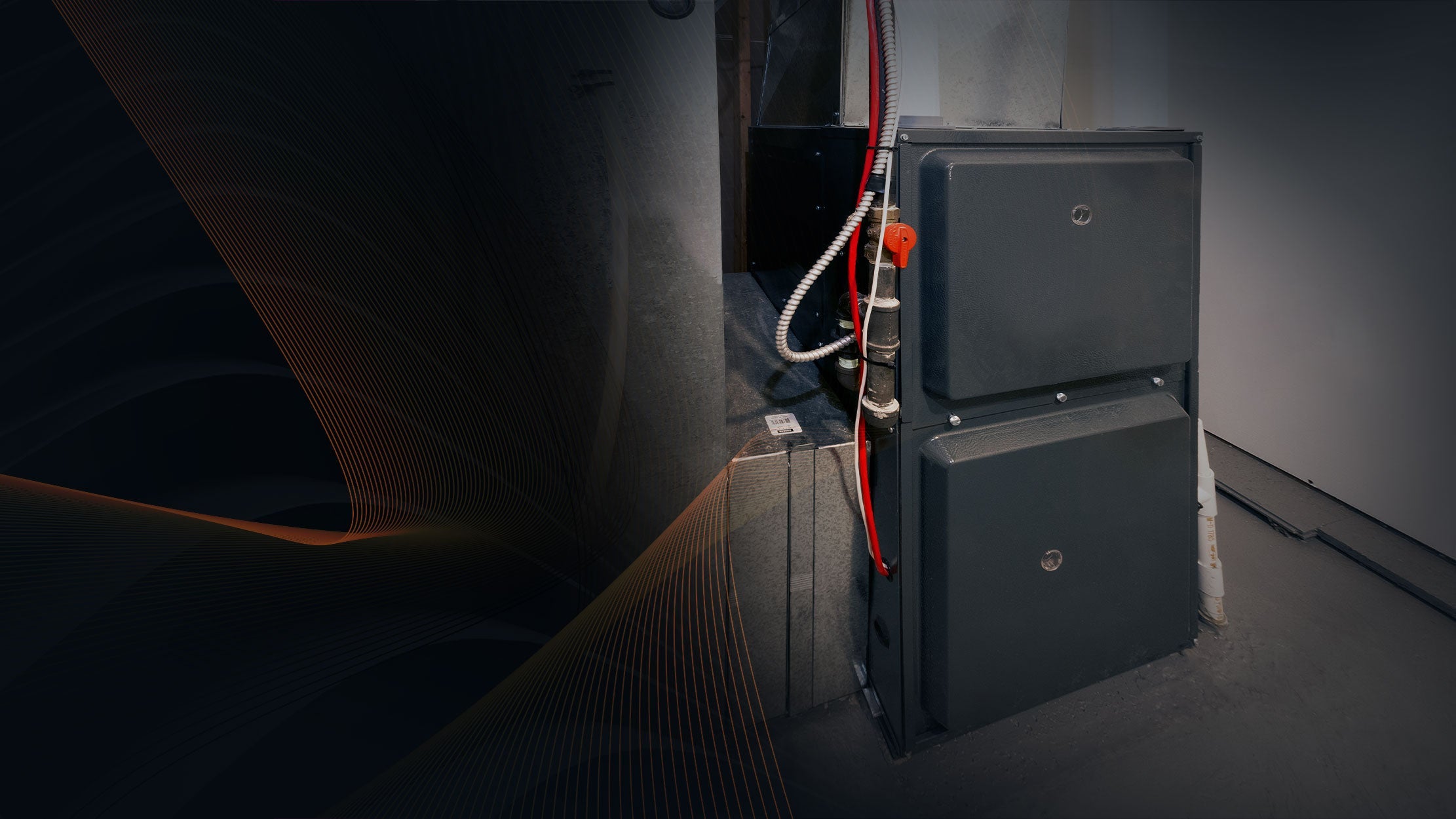
A gas furnace produces heat by burning natural gas and transferring that heat to air through a heat exchanger. The heated air is then distributed throughout the home using ductwork.
Modern furnaces are highly efficient and provide strong, consistent heating regardless of outdoor temperature. This makes them particularly effective during extreme cold conditions where maintaining indoor comfort is critical.
Key characteristics of gas furnaces include:
-
High heat output for cold climates
-
Reliable performance regardless of outdoor conditions
-
Faster temperature increases compared to heat pumps
Because furnaces produce higher-temperature air, they often feel more powerful when operating. This can be especially noticeable during very cold weather, when rapid heating is needed to maintain comfort.
Heat Pump vs Furnace: Performance in Canadian Climates
Performance in cold weather is one of the most important considerations when choosing between these systems. Canadian winters vary significantly by region, and system performance must be evaluated based on local climate conditions rather than general assumptions.
Modern cold-climate heat pumps have improved significantly and can maintain performance in sub-zero temperatures. However, their capacity gradually decreases as temperatures drop, which means proper sizing and system design are essential.
Dual-Fuel Systems: A Balanced Approach
In many Canadian regions, a dual-fuel system provides the best balance of efficiency and reliability. This system combines a heat pump with a gas furnace, allowing each system to operate when it is most efficient.
Key benefits include:
-
Efficient heating during mild temperatures using the heat pump
-
Reliable heating during extreme cold using the furnace
-
Optimized energy usage throughout the year
This configuration is particularly effective in provinces where winter temperatures fluctuate significantly. By automatically switching between systems, homeowners benefit from both efficiency and consistent performance.
Geographic Performance Considerations
Performance varies depending on local climate conditions. In milder regions, heat pumps can often serve as the primary heating source. In colder regions, supplemental heating is typically required to maintain comfort during extreme temperatures.
Factors influencing performance include:
-
Average winter temperatures
-
Frequency of extreme cold events
-
Home insulation and airtightness
-
Local energy costs
Understanding these regional differences helps ensure the system is properly selected and configured for optimal performance.
Installation Costs: Heat Pump vs Furnace in Canada
Installation costs are an important factor when comparing heating systems. While heat pumps typically have higher upfront costs, rebates and long-term energy savings can offset this difference.
|
System Type |
Installed Cost Range (CAD) |
|
Standard heat pump |
$4,000–$8,000 |
|
Cold-climate heat pump |
$7,000–$14,000 |
|
Ductless system |
$10,000–$25,000 |
|
Gas furnace (high-efficiency) |
$4,000–$8,000 |
|
Dual-fuel system |
$9,000–$18,000 |
These costs can vary depending on several additional factors, including the condition of existing ductwork, electrical upgrades, and installation complexity. Homes requiring modifications or upgrades may see higher installation costs.
Evaluating the full scope of installation requirements helps homeowners avoid unexpected expenses and better understand the total investment involved.
Annual Operating Costs: The Fuel Cost Equation
Operating costs depend heavily on regional energy prices. Electricity and natural gas rates vary across Canada, which directly affects system efficiency and affordability.
Heat pumps tend to perform best in regions with lower electricity costs, while furnaces remain cost-effective in areas with lower natural gas prices.
Factors influencing operating costs include:
-
Local utility rates
-
System efficiency ratings
-
Climate conditions
-
Home insulation and energy performance
Because these variables differ across provinces, homeowners should evaluate long-term operating costs rather than focusing solely on initial installation expenses.
Canadian Rebates and Incentive Programs
Rebates play a significant role in reducing the upfront cost of HVAC upgrades. Federal and provincial programs are designed to encourage energy-efficient system adoption.
Common programs include:
-
Federal grants and financing options
-
Provincial energy efficiency incentives
-
Utility-based rebate programs
These incentives can significantly reduce the net cost of installation, particularly for heat pump systems. In many cases, combining multiple programs can make higher-efficiency systems more accessible.
Because rebate programs change frequently, reviewing available options before installation is essential to maximize financial benefits.
Environmental Impact and Carbon Footprint
Environmental impact is an increasingly important consideration for Canadian homeowners. Heating systems contribute significantly to household emissions, especially in colder climates where heating demand is high.
Heat pumps offer lower emissions in provinces with clean electricity sources. In regions where electricity is generated from fossil fuels, the environmental benefits may be less pronounced but still improving over time.
Gas furnaces, while efficient, rely on combustion and produce emissions during operation. Over the lifespan of the system, this results in a higher overall carbon footprint compared to electric alternatives.
Considering environmental impact alongside cost and performance helps homeowners make more informed and sustainable decisions.
Comfort, Air Quality, and Reliability
Comfort is influenced not only by temperature but also by how heat is distributed throughout the home. Each system delivers heat differently, which affects overall comfort.
Heat pumps provide:
-
Steady, even heating
-
Continuous operation with minimal fluctuations
-
Integrated cooling capability
Gas furnaces provide:
-
Rapid heating response
-
Higher air temperature output
-
Consistent performance in extreme cold
Air quality depends primarily on filtration and ventilation rather than the heating system itself. Proper maintenance and high-quality filters are essential for both systems.
Reliability also depends on maintenance and installation quality. Both systems can perform reliably when properly installed and maintained.
Heat Pump vs Furnace: Summary Comparison
|
Factor |
Heat Pump |
Gas Furnace |
|
Efficiency |
High (HSPF-based) |
High (AFUE-based) |
|
Installation cost |
Higher |
Lower |
|
Operating cost |
Lower in some regions |
Lower in others |
|
Cooling capability |
Yes |
No |
|
Cold weather performance |
Reduced capacity |
Consistent |
|
Environmental impact |
Lower (region dependent) |
Higher |
|
Lifespan |
12–20 years |
12–20 years |
This comparison highlights that no single system is universally better. The best choice depends on regional conditions and homeowner priorities.
Which System Is Right for Your Home?
Choosing the right system depends on your specific situation. Several factors must be considered together rather than in isolation.
A heat pump may be more suitable if:
-
You live in a region with moderate winters
-
Electricity rates are relatively low
-
You want both heating and cooling in one system
-
Environmental impact is a priority
A gas furnace may be more suitable if:
-
You live in a region with extreme cold
-
Natural gas rates are lower than electricity
-
You prefer strong, rapid heating
-
Installation cost is a key concern
A dual-fuel system may be ideal if:
-
You want efficiency and reliability combined
-
Your region experiences temperature variability
-
You are replacing both heating and cooling systems
Carefully evaluating these factors ensures the selected system aligns with your home's needs and long-term goals.
When to Call a Professional
Choosing between a heat pump and a furnace requires a detailed evaluation of your home, energy usage, and climate conditions. Professional guidance ensures the system is properly sized and configured.
Professional assistance is recommended when:
-
You are replacing or upgrading your heating system
-
You need accurate system sizing
-
You are evaluating dual-fuel options
-
You want to optimize energy efficiency
Working with an experienced provider such as Fernand Denis Inc. ensures that your system is selected and installed according to industry best practices.
Conclusion
Choosing between a heat pump and a furnace affects your home's comfort, energy costs, and environmental impact for many years. Each system offers advantages depending on climate, energy rates, and homeowner priorities.
By understanding how these systems perform in Canadian conditions, you can make a confident and informed decision. When professional expertise is needed, working with a qualified HVAC provider such as Fernand Denis Inc. ensures your system is properly installed and optimized for long-term performance.
Frequently Asked Questions About Heat Pumps vs Furnaces
Are heat pumps reliable in Canadian winters?
Yes, modern cold-climate heat pumps are designed to operate in sub-zero temperatures. While their output decreases in extreme cold, they remain effective in most regions. Backup systems can be used when necessary.
Which system is more energy efficient?
Heat pumps are generally more efficient because they transfer heat rather than generate it. However, efficiency depends on local energy costs and climate conditions. In some regions, furnaces may be more economical.
Do heat pumps replace air conditioners?
Yes, heat pumps provide both heating and cooling. This eliminates the need for a separate cooling system. This dual functionality adds significant value for many homeowners.
Are furnaces cheaper to install?
In most cases, furnaces have lower installation costs. However, long-term operating costs may vary depending on energy prices. Evaluating both upfront and ongoing costs is important.
What is a dual-fuel system?
A dual-fuel system combines a heat pump with a gas furnace. The system switches between the two based on temperature conditions. This ensures both efficiency and reliability.
Which system lasts longer?
Furnaces typically have a longer lifespan than heat pumps. However, proper maintenance is essential for both systems. Regular servicing helps maximize durability.


Partager:
Heat Pump Not Heating: Causes, Solutions and Essential Diagnostics
HVAC Maintenance: The Complete Guide for Canadian Homeowners