


Introduction
Proper HVAC maintenance is one of the most important long-term investments a Canadian homeowner can make. From extended winter heating demands to increasingly hot and humid summers, your system operates under constant pressure throughout the year. This continuous operation means that even small inefficiencies can gradually develop into larger performance issues if they are not addressed early. When maintenance is neglected, efficiency drops, components wear faster, and the likelihood of unexpected breakdowns increases.
By following a structured maintenance approach, homeowners can improve comfort, reduce energy consumption, and ensure their system performs reliably in every season. Beyond performance, consistent maintenance also contributes to better indoor air quality and helps maintain a stable and healthy living environment throughout the year.
Key Takeaways
-
HVAC systems in Canada operate under heavy seasonal demand
-
Regular maintenance improves efficiency and reduces system strain
-
Preventive care helps avoid unexpected breakdowns
-
Indoor air quality is directly tied to HVAC system condition
-
Seasonal maintenance is more effective than reactive repairs
-
Both homeowner tasks and professional servicing are essential
-
Early detection of issues reduces long-term repair needs
-
Proper maintenance extends equipment lifespan significantly
Why HVAC Maintenance Is Critical in Canada
Canadian climate conditions place exceptional demands on HVAC systems. Heating systems often run continuously for several months, while cooling demand has steadily increased in many regions due to warmer summers. This dual seasonal stress accelerates wear on components such as motors, coils, electrical systems, and refrigerant lines.
In addition to mechanical strain, HVAC performance directly affects overall household energy consumption. Heating and cooling account for a significant portion of energy use, meaning even minor inefficiencies can translate into noticeable increases in utility bills over time. A system that is slightly restricted or unbalanced may operate longer and consume more energy without improving comfort.
Key reasons to prioritize HVAC maintenance include:
-
Improving energy efficiency and reducing unnecessary consumption
-
Maintaining consistent indoor temperatures throughout the home
-
Supporting safe operation of combustion-based systems
-
Extending equipment lifespan through reduced mechanical stress
-
Improving indoor air quality through proper filtration and airflow
By maintaining these elements proactively, homeowners can reduce system strain and improve overall reliability. This approach also allows for better long-term planning, as system performance remains predictable rather than reactive.
Understanding the Core Components of Your HVAC System
A typical HVAC system includes several interconnected components that work together to regulate indoor comfort. Understanding these elements helps homeowners recognize how maintenance affects overall performance and why each part requires attention.
Key components include:
-
Heating systems such as furnaces or boilers
-
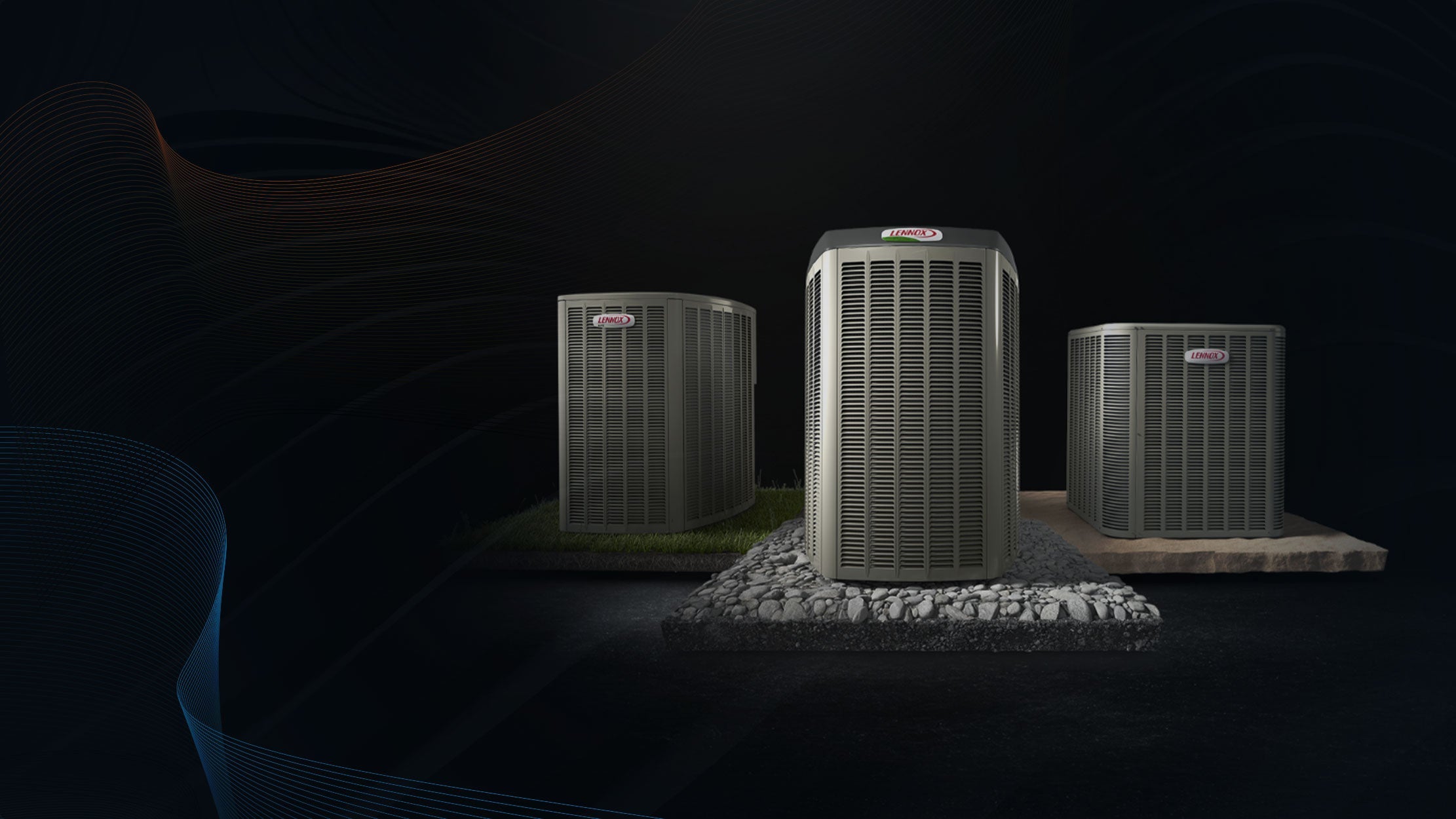
Cooling systems such as air conditioners or heat pumps
-
Ventilation systems including HRVs or ERVs
-
Air filtration systems and ductwork
Each component plays a specific role in maintaining indoor comfort. When one part becomes inefficient, such as restricted airflow or reduced heat exchange, it can impact the performance of the entire system. This interconnected structure is why regular maintenance must address multiple areas rather than focusing on a single component.
Seasonal HVAC Maintenance Schedule
A seasonal approach is the most effective way to manage HVAC maintenance in Canada. Since the system operates differently depending on the time of year, aligning maintenance tasks with seasonal transitions ensures optimal performance.
Fall Maintenance: Preparing for Heating Season
Fall is the most important maintenance period for Canadian homeowners. Preparing the heating system before temperatures drop ensures reliable performance during months of continuous operation. Waiting until winter often results in service delays and increased risk of breakdowns.
Key tasks include:
-
Scheduling a professional furnace or boiler inspection
-
Replacing or cleaning the air filter
-
Testing thermostat operation
-
Inspecting ventilation systems such as HRVs or ERVs
-
Checking ductwork for visible issues
-
Testing carbon monoxide detectors
Completing these steps early helps ensure that all system components are functioning correctly before heavy use begins. This preparation also reduces stress on the system during the first cold periods of the season.
Spring Maintenance: Preparing for Cooling Season
As heating demand decreases, attention should shift to cooling systems. Preparing early helps avoid performance issues when temperatures begin to rise and cooling becomes necessary.
Recommended actions include:
-
Scheduling a professional air conditioner or heat pump inspection
-
Cleaning the outdoor unit and removing debris
-
Inspecting the condensate drain system
-
Replacing the air filter
-
Checking refrigerant line insulation
-
Testing cooling performance
By addressing these tasks in advance, homeowners can ensure their system transitions smoothly from heating to cooling without performance gaps.
Summer Maintenance: Mid-Season Checks
During periods of heavy cooling use, mid-season checks help maintain efficiency and identify developing issues before they worsen. Even well-maintained systems benefit from periodic monitoring.
Homeowners should:
-
Inspect air filters regularly
-
Monitor indoor humidity levels
-
Keep the outdoor unit clear of debris
-
Ensure proper condensate drainage
These simple checks help maintain consistent cooling performance and prevent unnecessary strain during peak demand.
HVAC Maintenance Tasks You Can Do Yourself
Homeowners can perform several routine maintenance tasks that significantly improve system performance and reduce wear. These tasks are easy to integrate into regular home maintenance routines and require minimal tools.
Key homeowner maintenance tasks include:
-
Replacing or cleaning air filters regularly
-
Keeping vents and registers unobstructed
-
Maintaining clearance around outdoor units
-
Inspecting visible ductwork for leaks or damage
-
Monitoring system performance for unusual behaviour
These actions help maintain proper airflow and reduce stress on system components. By staying consistent with these tasks, homeowners can improve efficiency and reduce the likelihood of needing emergency repairs.
What Professional HVAC Maintenance Includes
Professional servicing provides a deeper level of inspection and maintenance that cannot be performed safely without proper training and tools. These visits ensure that internal components function correctly and that the system operates efficiently.
A professional maintenance visit typically includes:
-
Inspection of key system components
-
Cleaning of coils and burners
-
Testing of electrical systems and controls
-
Verification of airflow and system performance
-
Safety checks for combustion systems
These inspections are essential for identifying issues that are not visible externally. Regular professional maintenance helps ensure long-term reliability and reduces the risk of unexpected system failures.
Common HVAC Problems and Their Causes
Even with regular maintenance, HVAC systems may develop issues over time. Understanding common problems helps homeowners recognize early warning signs and respond appropriately.
Common issues include:
-
Heating or cooling inefficiency
-
Short cycling or inconsistent operation
-
Unusual noises from system components
-
Increased energy consumption
-
Uneven temperature distribution
These issues are often caused by airflow restrictions, worn components, or imbalances within the system. Addressing them early helps prevent further damage and maintains system performance.
HVAC Maintenance and Indoor Air Quality
HVAC systems play a direct role in maintaining indoor air quality. Since Canadian homes remain closed for extended periods during winter, indoor air circulation becomes especially important.
Maintenance improves air quality by:
-
Ensuring filters capture airborne particles effectively
-
Reducing buildup inside ducts and system components
-
Supporting consistent airflow throughout the home
Improved air quality contributes to overall comfort and health, making HVAC maintenance an important part of maintaining a healthy indoor environment.
Equipment Lifespan and Maintenance Impact
HVAC equipment lifespan varies depending on maintenance and usage. Systems that receive consistent care typically operate longer and more efficiently than those that are neglected.
|
Equipment |
Average Lifespan |
|
Furnace |
12–20 years |
|
Air conditioner |
12–18 years |
|
Heat pump |
12–18 years |
|
HRV / ERV |
15–20 years |
Regular maintenance helps systems reach or exceed expected lifespans while maintaining consistent performance throughout their operation.
Choosing a Qualified HVAC Professional
Selecting the right professional is essential for safe and effective maintenance. The quality of service directly impacts system performance and long-term reliability.
Homeowners should consider:
-
Proper licensing and certification
-
Experience with HVAC systems
-
Clear communication and transparency
-
Comprehensive inspection procedures
Working with a trusted provider such as Fernand Denis Inc. helps ensure that maintenance is performed thoroughly and that all system components are properly evaluated.
When to Call a Professional
Some HVAC issues require specialized tools and expertise to resolve safely. Attempting repairs without proper training can lead to additional damage or safety risks, especially in systems involving gas or electrical components.
Professional assistance is recommended when:
-
The system does not start or respond
-
Heating or cooling performance is inconsistent
-
Unusual noises or odours are present
-
The system cycles frequently or shuts down unexpectedly
-
Problems persist despite basic maintenance
In these situations, working with an experienced provider such as Fernand Denis Inc. ensures that the system is properly diagnosed and repaired using appropriate methods and standards.
Conclusion
HVAC maintenance is essential for maintaining comfort, efficiency, and safety throughout the year in Canadian homes. By combining seasonal preparation, regular homeowner maintenance, and professional servicing, homeowners can significantly reduce the risk of breakdowns and extend system lifespan.
Taking a proactive approach ensures consistent performance and long-term reliability. When professional expertise is required, working with a qualified HVAC provider such as Fernand Denis Inc. helps ensure that your system remains efficient and ready to perform in every season.
Frequently Asked Questions About HVAC Maintenance
How often should HVAC systems be serviced?
Most systems should be serviced annually, with separate inspections for heating and cooling components. This ensures the system is ready for seasonal demand. Additional checks may be needed in high-use homes.
What happens if HVAC maintenance is neglected?
Neglecting maintenance can lead to reduced efficiency, increased energy costs, and a higher risk of system failure. Over time, small issues can develop into major repairs. Regular servicing helps prevent these outcomes.
Can I maintain my HVAC system myself?
Homeowners can perform basic maintenance tasks such as changing filters and inspecting visible components. However, professional servicing is required for internal systems. Combining both approaches ensures optimal performance.
Why is my system running but not performing well?
This often indicates airflow issues, worn components, or system imbalance. Even if the system runs, it may not operate efficiently. A professional inspection helps identify the cause.
Does HVAC maintenance improve air quality?
Yes, regular maintenance reduces airborne particles and improves airflow. Clean filters and properly functioning systems contribute to better indoor air conditions. This is especially important in Canadian homes.
When should I call a professional?
If system performance declines, unusual noises occur, or issues persist after basic maintenance, professional service is recommended. Early intervention helps prevent more serious problems.


Partager:
Heat Pump vs Furnace: Which Heating System Is Right for Your Home?
HVAC Replacement Guide: Costs, Options and What to Expect