


<h2>Introduction</h2>
<p>Finding the right winter thermostat setting is a balance between comfort, energy efficiency, and how your specific heating system responds to changes. A setting that feels comfortable in one home can feel too warm or too cool in another, depending on insulation, heating equipment, and daily routines. General guidelines exist, but the ideal setting also depends on whether a home is heated by a furnace, a heat pump, or radiant floor heating. Understanding these guidelines helps homeowners in the Ottawa and Gatineau region set a temperature that stays comfortable without wasting energy.</p>
<h2>Key Takeaways</h2>
<ul>
<li>A common winter recommendation is around 20 to 22 degrees Celsius while home and awake</li>
<li>Lowering the setting to 17 to 19 degrees while sleeping or away can reduce energy use</li>
<li>Thermostats should generally not be set below 17 degrees Celsius to help prevent frozen pipes</li>
<li>Heat pumps typically perform best with smaller, more gradual temperature adjustments</li>
<li>Furnaces and boilers can generally recover from larger setbacks more quickly</li>
<li>Radiant floor heating responds slowly, so steady settings work better than frequent swings</li>
<li>A programmable or smart thermostat makes consistent scheduling easier to maintain</li>
</ul>
<h2>General Recommended Temperature Ranges for Winter</h2>
<p>Guidelines from energy efficiency organizations suggest a general starting point for winter thermostat settings, though personal comfort still plays a role. These ranges are intended as a baseline that can be adjusted slightly based on how a home feels.</p>
<table>
<thead>
<tr><th>Occupancy Status</th><th>Recommended Range</th></tr>
</thead>
<tbody>
<tr><td>Home and awake</td><td>20 to 22 degrees Celsius</td></tr>
<tr><td>Sleeping</td><td>17 to 19 degrees Celsius</td></tr>
<tr><td>Away for a few hours</td><td>17 to 19 degrees Celsius</td></tr>
<tr><td>Away for an extended period</td><td>No lower than 17 degrees Celsius</td></tr>
</tbody>
</table>
<p>Staying within these general ranges helps balance comfort with reasonable energy use throughout the winter season, though the exact setting that feels right can still vary from one household to another.</p>
<h2>Why Small Adjustments Make a Difference</h2>
<p>Even a small reduction in thermostat setting can meaningfully reduce how much energy a heating system uses over the course of a winter. This is because heating systems work harder to maintain higher indoor temperatures, especially during extended cold periods.</p>
<p>Reasons small adjustments matter include:</p>
<ul>
<li>Lower settings reduce how often and how long the heating system runs</li>
<li>Consistent scheduling avoids unnecessary temperature swings</li>
<li>Smart thermostats can apply these adjustments automatically based on occupancy</li>
<li><a href="https://natural-resources.canada.ca/stories/spotlight-energy-efficiency/5-ways-stay-cozy-winter-without-turning-heat">According to Natural Resources Canada, an ENERGY STAR certified smart thermostat can reduce heating energy use by at least 8 percent</a></li>
</ul>
<p>These savings accumulate over an entire winter, making small adjustments worthwhile even when the difference feels barely noticeable from one day to the next.</p>
<h2>How System Type Affects the Ideal Setting</h2>
<p>Not every heating system responds to temperature changes the same way, which means the ideal approach to setbacks can vary depending on what type of system is installed.</p>
<h3>Furnaces and Boilers</h3>
<p>Furnaces and boilers generally heat air or water quickly once they start running, which allows them to recover from a lower overnight or away setting without much delay. This makes moderate setbacks a practical way to reduce energy use without sacrificing comfort when the home is occupied.</p>
<h3>Heat Pumps</h3>
<p>Heat pumps operate most efficiently with smaller, more gradual adjustments rather than large setbacks. A very low overnight setting can require the system to work harder to recover the temperature, which may reduce the efficiency advantage a heat pump normally provides. Keeping adjustments modest, often just one or two degrees, tends to work better for heat pump systems.</p>
<h3>Radiant Floor Heating</h3>
<p>Radiant floor heating warms a space gradually because the floor itself retains and releases heat slowly. Because of this thermal mass, frequent large temperature swings are less effective, and a more consistent setting throughout the day generally provides steadier comfort.</p>
<p>Recognizing which of these categories applies to a specific home is the first step toward choosing a realistic setback strategy, since the same schedule that works well for one system type may not suit another.</p>
<h2>Using a Programmable or Smart Thermostat</h2>
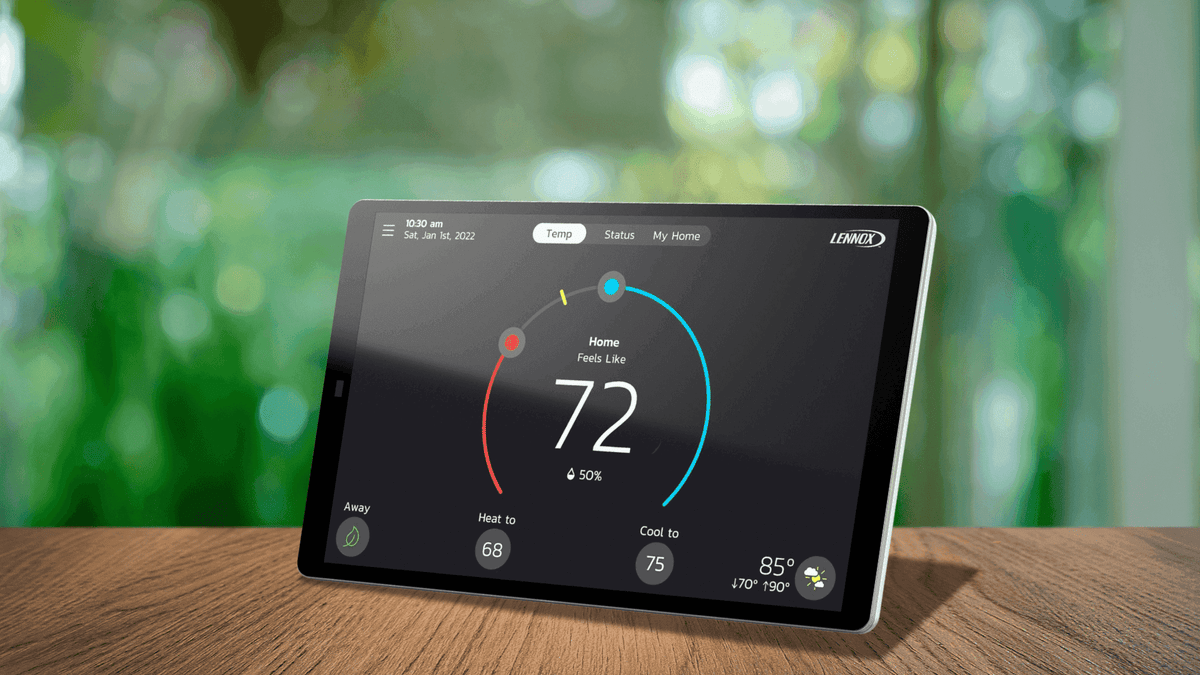
<p>A programmable or smart thermostat makes it easier to maintain consistent temperature settings without manually adjusting the dial throughout the day. Many households find it easiest to plan around a few key periods rather than constant manual changes.</p>
<p>Common scheduling periods include:</p>
<ul>
<li>Wake time, when the temperature rises to a comfortable daytime setting</li>
<li>Daytime away periods, when the setting can be lowered if the home is unoccupied</li>
<li>Evening return, when the temperature rises again before the household is home</li>
<li>Overnight sleep, when a slightly lower setting is generally comfortable</li>
</ul>
<p>A compatible thermostat, properly matched to the heating system, can support these types of schedules, allowing homeowners to set a routine once and let the system maintain it automatically.</p>
<h2>Humidity and Perceived Temperature</h2>
<p>Indoor humidity affects how a given temperature actually feels, which is why two homes set to the same thermostat reading can feel noticeably different. Winter air tends to be drier, and dry air can make a room feel cooler than the thermostat suggests.</p>
<p>Factors that influence perceived temperature include:</p>
<ul>
<li>Indoor humidity levels, since drier air feels cooler at the same temperature</li>
<li>Airflow from vents or registers, which can create a cooling sensation even in a warm room</li>
<li>Direct sunlight or drafts near windows, which affect comfort in specific areas</li>
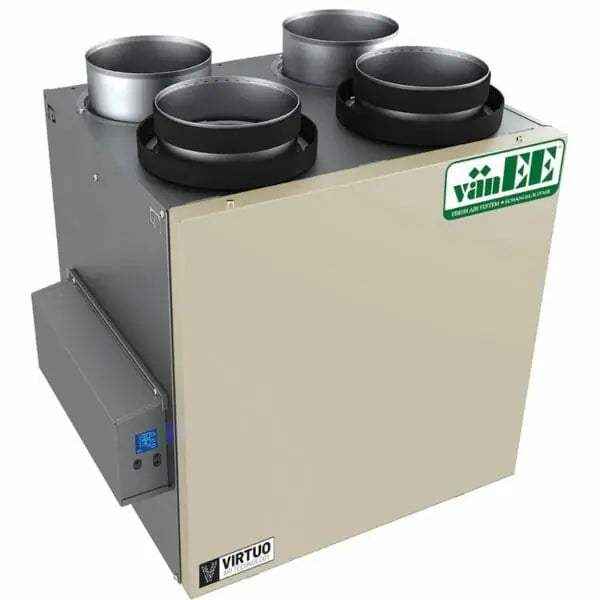
<li>Consistent ventilation, which helps maintain balanced humidity throughout the home</li>
</ul>
<p>Addressing humidity alongside temperature settings often improves comfort more than adjusting the thermostat alone, particularly in homes that feel cool despite a seemingly reasonable setting.</p>
<h2>Signs Your Thermostat Setting Isn't Working for Your Home</h2>
<p>Sometimes a thermostat setting that seems reasonable on paper still does not feel comfortable in practice. Recognizing these signs helps identify whether the setting, the system, or another factor needs attention.</p>
<p>Signs worth paying attention to include:</p>
<ul>
<li>Certain rooms consistently feel colder than others at the same setting</li>
<li>The system runs almost constantly without reaching the set temperature</li>
<li>Comfort feels inconsistent even though the thermostat reading has not changed</li>
<li>Static shocks or dry skin suggest humidity, rather than temperature, is the underlying issue</li>
</ul>
<p>Identifying which of these applies can help determine whether the fix involves the thermostat schedule, the heating system itself, or another factor such as insulation or ventilation.</p>
<h2>Recommended Settings by Situation</h2>
<p>Bringing the earlier guidelines together, the table below summarizes recommended approaches based on common situations.</p>
<table>
<thead>
<tr><th>Situation</th><th>Recommended Approach</th></tr>
</thead>
<tbody>
<tr><td>Home and awake</td><td>Set between 20 and 22 degrees Celsius</td></tr>
<tr><td>Sleeping</td><td>Lower to 17 to 19 degrees Celsius</td></tr>
<tr><td>Away for a few hours</td><td>Lower to 17 to 19 degrees Celsius</td></tr>
<tr><td>Away for an extended trip</td><td>Keep no lower than 17 degrees Celsius</td></tr>
<tr><td>Heat pump households</td><td>Use smaller, gradual adjustments rather than large setbacks</td></tr>
</tbody>
</table>
<p>Reviewing these situations together makes it easier to build a schedule that fits a specific household's routine, rather than relying on a single setting for every hour of the day.</p>
<h2>When to Call a Professional</h2>
<p>Sometimes discomfort or inconsistent temperatures are not solved by adjusting the thermostat alone. A professional assessment can determine whether the issue relates to the thermostat, the heating system itself, or airflow throughout the home.</p>
<p>Professional guidance is recommended when:</p>
<ul>
<li>Rooms remain uncomfortable regardless of thermostat adjustments</li>
<li>You are unsure which thermostat type is compatible with your heating system</li>
<li>You are switching from a furnace to a heat pump and want scheduling guidance</li>
<li>Your system runs continuously without maintaining the set temperature</li>
</ul>
<p>Working with an experienced provider such as Fernand Denis Inc. helps ensure your thermostat, heating system, and schedule are all working together effectively throughout the winter season.</p>
<h2>Conclusion</h2>
<p>There is no single perfect thermostat setting for every home, but general guidelines, along with an understanding of your specific heating system, provide a reliable starting point. Furnaces and boilers tolerate larger setbacks well, heat pumps perform best with smaller adjustments, and radiant floor heating benefits from steady, consistent settings.</p>
<p>Adjusting your approach based on your system type and daily routine helps balance comfort with reasonable energy use throughout the winter, without requiring constant manual changes to the thermostat. When professional guidance is needed, a qualified HVAC provider such as Fernand Denis Inc. can help fine-tune your thermostat settings for your specific home and heating system.</p>
<h2>Frequently Asked Questions About Winter Thermostat Settings</h2>
<h3>What is the ideal thermostat temperature for winter?</h3>
<p>A common guideline is around 20 to 22 degrees Celsius while home and awake, with a lower setting of 17 to 19 degrees while sleeping or away. Personal comfort and system type can shift this range slightly, so it is worth treating these numbers as a starting point rather than a fixed rule.</p>
<h3>How low can I set my thermostat when away for a trip?</h3>
<p>Most guidance suggests not going below 17 degrees Celsius, even for extended absences, to help prevent pipes from freezing. A programmable or smart thermostat can maintain this setting automatically, which is particularly useful during winter trips away from home.</p>
<h3>Do heat pumps need a different thermostat strategy than furnaces?</h3>
<p>Yes, heat pumps generally perform best with smaller, more gradual temperature adjustments rather than large overnight setbacks. Furnaces and boilers can typically recover from bigger setbacks more quickly, since they generate heat at a higher output when starting up.</p>
<h3>Does a smart thermostat actually save energy?</h3>
<p>Yes, according to Natural Resources Canada, an ENERGY STAR certified smart thermostat can reduce heating energy use by at least 8 percent. Automatic scheduling helps maintain consistent setbacks without relying on manual adjustments throughout the day.</p>
<h3>Why does my home feel cold even though the thermostat reads a normal temperature?</h3>
<p>Low indoor humidity, drafts, or airflow near vents can make a room feel cooler than the actual temperature. Addressing humidity and airflow alongside the thermostat setting often improves comfort more effectively than lowering or raising the setpoint alone.</p>
<h3>Should radiant floor heating be adjusted throughout the day like a furnace?</h3>
<p>Radiant floor heating generally performs better with a steady, consistent setting rather than frequent large adjustments, since the floor retains and releases heat slowly. Smaller, gradual changes work better for this type of system than the deeper setbacks sometimes used with a furnace.</p>




Partager: