


Introduction
A furnace filter is a small component with a significant effect on comfort, efficiency, and equipment protection. Choosing the wrong type or rating can restrict airflow, strain the blower, or leave dust and allergens circulating through the home. With several filter types and ratings available, it is not always clear which option best matches a specific furnace and household. This guide explains the main filter types, how to interpret filtration ratings, and how to select a filter that suits both your system and your comfort needs.
Key Takeaways
- Furnace filters vary by material, thickness, and filtration rating
- Disposable fiberglass filters are basic and inexpensive but capture fewer particles
- Pleated filters offer more surface area and stronger filtration for most homes
- Filtration effectiveness is measured using the MERV scale
- Filter size must match the furnace's filter slot exactly for proper performance
- Replacement frequency depends on filter type, household activity, and pets
- Choosing the wrong filter rating can restrict airflow and strain the system
Why Furnace Filter Choice Matters
The furnace filter protects internal components from dust and debris while also determining how much of that debris continues to circulate through the home. A filter that is too basic allows more particles through, while one that is too restrictive for the system can reduce airflow and force the blower to work harder.
Choosing the right filter matters for several reasons:
- It protects the blower motor and heat exchanger from dust accumulation
- It influences how many airborne particles continue circulating through the home
- It affects airflow, which in turn affects heating efficiency
- It determines how often replacement is required
Balancing filtration strength with system compatibility is the key to choosing a filter that performs well over time.
Types of Furnace Filters
Furnace filters are available in a few common formats, each suited to different needs and replacement schedules. Understanding these differences helps homeowners choose a filter that matches both their furnace and their household.
Disposable Fiberglass Filters
Disposable fiberglass filters are the most basic option, designed primarily to protect the furnace rather than significantly improve air quality. They typically have a low MERV rating and offer minimal resistance to airflow, which makes them compatible with almost any residential furnace.
Key characteristics of disposable fiberglass filters include:
- Low cost and widespread availability
- Minimal airflow resistance
- Lower filtration of fine particles
- Typically replaced on a monthly basis
These filters are a practical choice for homeowners who prioritize basic protection and do not have specific air quality concerns.
Pleated Filters
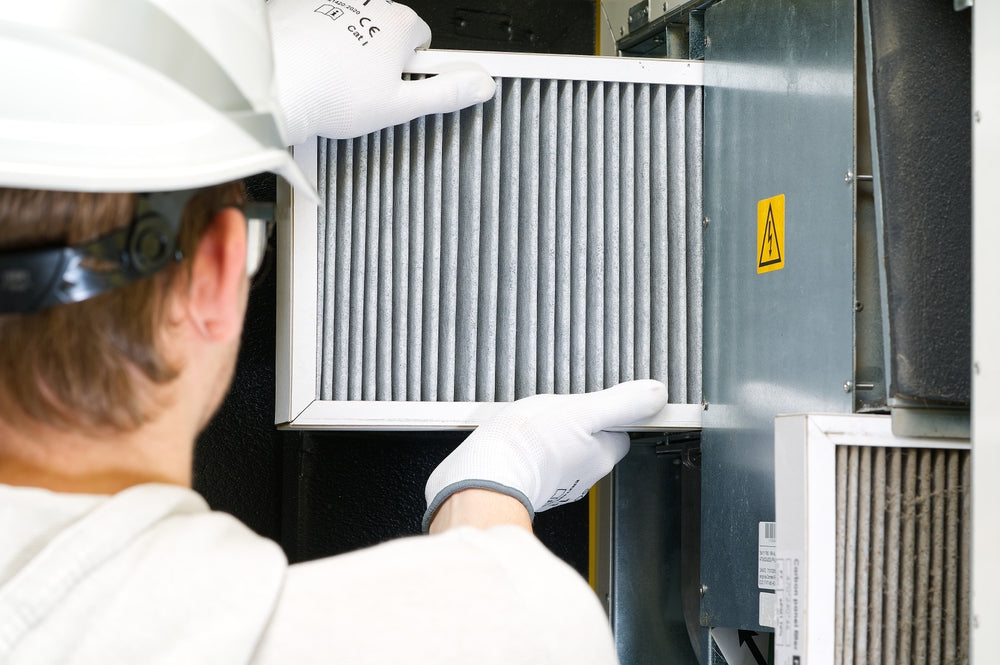
Pleated filters use folded fabric to create significantly more surface area than fiberglass filters, allowing them to capture smaller particles without excessively restricting airflow. This makes them a common middle-ground option for most Canadian homes.
Key characteristics of pleated filters include:
- Higher filtration performance than fiberglass filters
- Moderate airflow resistance, depending on MERV rating
- Effective against dust, pollen, and pet dander
- Typically replaced every one to three months
Pleated filters are often the preferred choice for households seeking a balance between filtration and system compatibility.
Pleated Box Filters
Pleated box filters, sometimes called media filters, use a larger filter cabinet to house a thicker, higher-capacity filter. Their larger surface area allows for strong filtration while maintaining reasonable airflow, and they generally need replacement far less often than standard filters.
Key characteristics of pleated box filters include:
- Larger surface area than standard pleated filters
- Strong filtration performance
- Reduced airflow restriction relative to their filtration level
- Typically replaced every six to twelve months
These filters are well suited to furnaces designed to accommodate a larger filter cabinet.
Understanding MERV Ratings for Furnace Filters
Filtration performance is measured using the Minimum Efficiency Reporting Value, or MERV, scale. Selecting the right rating depends on balancing filtration strength with what the furnace and ductwork can handle without excessive airflow restriction.
| MERV Range | Filtration Level | Typical Household Fit |
|---|---|---|
| 1 to 4 | Basic, captures larger particles | Homes with minimal air quality concerns |
| 5 to 8 | Standard, captures common allergens | Most residential households |
| 9 to 12 | Enhanced, captures finer particles | Households with pets or mild allergy concerns |
| 13 and above | High efficiency, captures fine particulates | Households with specific air quality priorities, if system compatible |
Furnaces vary in how much airflow resistance they can tolerate, so a professional can confirm whether a higher MERV rating is appropriate for a specific system.
Matching Filter Size to Your Furnace
A filter that does not fit properly cannot perform as intended, regardless of its filtration rating. Gaps around an undersized filter allow unfiltered air to bypass it, while a filter that does not fit the slot correctly can be difficult to install securely.
To confirm the correct filter size, homeowners can:
- Check the dimensions printed on the frame of the current filter
- Measure the filter slot directly if the existing filter is unavailable
- Refer to the furnace's owner manual for the manufacturer's specified size
- Confirm nominal versus actual dimensions, since these can differ slightly
Using the correct size ensures the filter seals properly and performs as expected.
How Filter Choice Affects Airflow and Efficiency
Every filter creates some resistance to airflow, and this resistance increases with filtration strength and decreases with filter surface area. A filter that restricts airflow too much forces the blower to work harder, which can reduce efficiency and increase wear over time.
Signs that a filter may be affecting airflow include:
- Reduced airflow from vents throughout the home
- The furnace running for longer periods to reach the set temperature
- Increased noise from the blower during operation
- Higher than expected energy use for the season
Matching filter thickness and rating to what the furnace is designed to handle helps avoid these issues.
How Often to Replace Your Furnace Filter
Replacement frequency depends on the filter type, household activity, and whether pets are present. Replacing a filter too infrequently reduces both filtration performance and airflow.
| Filter Type | Typical Replacement Frequency |
|---|---|
| Disposable fiberglass | Approximately every month |
| Standard pleated filter | Every one to three months |
| Pleated box or media filter | Every six to twelve months |
Households with pets, higher occupancy, or renovation dust nearby should check filters more frequently than these general guidelines suggest.
Signs Your Filter Needs Immediate Replacement
Beyond a regular schedule, certain signs indicate that a filter should be replaced sooner than planned. Recognizing these signs helps maintain consistent airflow and filtration between scheduled changes.
Signs that a filter needs immediate replacement include:
- Visible dirt or discoloration covering the filter surface
- Noticeably reduced airflow from vents
- Increased dust settling on furniture shortly after cleaning
- A musty odour when the furnace runs
Checking the filter monthly, even between scheduled replacements, helps catch these signs early.
Choosing the Right Filter for Your Household Needs
The best filter for a given home depends on the household's specific circumstances rather than a single universal recommendation. Reviewing these factors helps narrow down the most appropriate option.
Consider the following when choosing a filter:
- Households with pets or mild allergy concerns often benefit from a pleated filter in the mid MERV range
- Households prioritizing lower maintenance may prefer a pleated box filter that requires less frequent changes
- Homes with minimal air quality concerns can often use a standard fiberglass or lower MERV pleated filter
- Any filter above the system's rated capacity should be confirmed with a professional before use
Matching filter choice to both household priorities and system capability provides the best overall result.
When to Call a Professional
A professional technician can confirm which filter types and ratings are compatible with a specific furnace, particularly when considering a higher MERV filter or a change in filter format.
Professional guidance is recommended when:
- You are unsure which filter size or rating fits your furnace
- You are considering upgrading to a higher MERV filter
- You notice reduced airflow that filter replacement does not resolve
- You are switching from a standard filter to a pleated box system
Working with an experienced provider such as Fernand Denis Inc. helps ensure the filter selected matches your furnace's specifications and your household's air quality needs.
Conclusion
Selecting the right furnace filter involves balancing filtration strength, airflow compatibility, and how often you are willing to replace it. Fiberglass, pleated, and pleated box filters each serve different needs, and the MERV rating should always be matched to what the furnace is designed to handle.
Taking the time to choose the right filter supports better air quality and more consistent furnace performance throughout the year. When professional guidance is needed, working with a qualified HVAC provider such as Fernand Denis Inc. helps ensure the right filter is selected for your specific system.
Frequently Asked Questions About Furnace Filters
What MERV rating is best for a residential furnace?
Most residential furnaces perform well with filters in the MERV 8 to 11 range, which balance filtration and airflow. Higher ratings should be confirmed with a professional to ensure system compatibility.
How often should a furnace filter be replaced?
Replacement frequency depends on filter type, ranging from about once a month for basic fiberglass filters to six to twelve months for pleated box filters. Households with pets or higher occupancy should check filters more frequently.
Can a higher MERV filter always be used in any furnace?
No, some furnaces are not designed to handle the airflow resistance of higher MERV filters. A professional assessment confirms whether a specific furnace can accommodate a higher rated filter.
What happens if a furnace filter is the wrong size?
An incorrectly sized filter may not seal properly, allowing unfiltered air to bypass it, or it may not fit the filter slot securely. Confirming exact dimensions before purchasing helps avoid this issue.
Are pleated filters better than fiberglass filters?
Pleated filters generally offer stronger filtration due to their larger surface area, while fiberglass filters are simpler and less expensive. The better choice depends on the household's air quality priorities and the furnace's compatibility.
Does a dirty filter affect furnace efficiency?
Yes, a dirty filter restricts airflow, which can force the furnace to run longer and work harder to maintain the set temperature. Regular replacement helps maintain consistent efficiency.




Partager: