


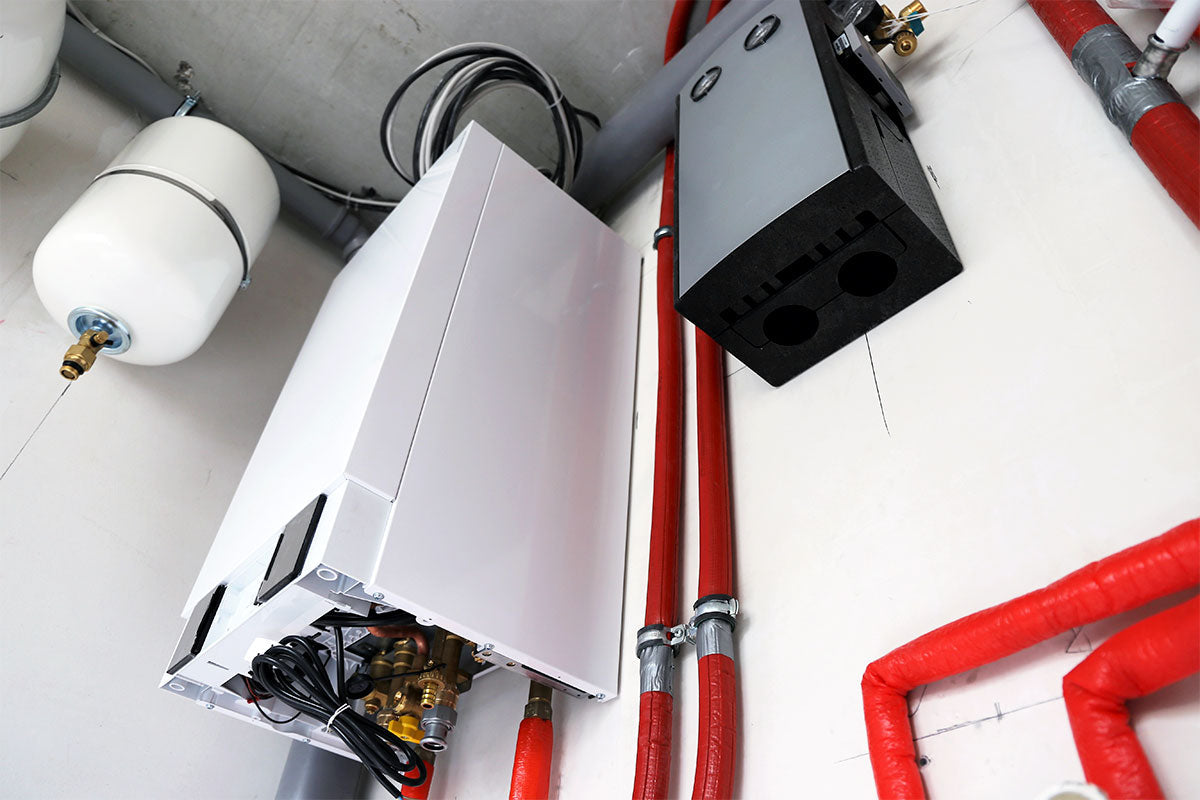
Choosing between a boiler and a furnace is one of the most important decisions Canadian homeowners face when upgrading or replacing their heating system. Both systems provide reliable warmth during cold winters, but they operate differently and serve distinct needs. Understanding these differences helps you select the system that best matches your home's infrastructure, energy efficiency goals, and comfort requirements.
This guide compares boilers and furnaces across key factors including operation, efficiency, costs, and suitability for Canadian climates.
Key Takeaways
- Furnaces heat air and distribute it through ductwork, while boilers heat water for radiant systems
- Installation costs vary significantly based on existing infrastructure
- Furnaces provide faster heat distribution, while boilers offer more consistent warmth
- Each system has distinct maintenance requirements and energy efficiency characteristics
- Home layout and existing heating infrastructure influence which system is more practical
- Both systems can achieve high efficiency ratings when properly sized and installed
- Professional assessment ensures proper system selection for your specific needs
How Furnaces Work
Furnaces heat air directly and distribute it throughout the home using a network of ducts and vents. A blower motor pushes heated air through supply ducts into each room, while return ducts pull cool air back to the furnace for reheating. This continuous cycle maintains consistent temperatures across the entire home. Most Canadian homes use gas furnaces, though electric and propane models are also available depending on regional fuel availability and infrastructure.
The heating cycle involves several coordinated steps:
- Thermostat signals the furnace when indoor temperature drops
- Gas valve opens and ignition sequence begins
- Burners heat a metal heat exchanger
- Blower motor activates when heat exchanger reaches operating temperature
- Warm air circulates through ductwork to living spaces
- Combustion gases vent safely outdoors through the flue system
Furnaces respond quickly to temperature changes, making them effective for homes that need rapid heat recovery after setback periods. The forced air system also provides an opportunity to add central air conditioning using the same ductwork, creating a complete climate control solution.
How Boilers Work
Boilers heat water and circulate it through pipes to radiators, baseboard heaters, or in-floor radiant systems throughout the home. Unlike furnaces that move heated air, boilers transfer warmth through hot water distribution. The heated water flows through a closed-loop system, releasing heat into rooms before returning to the boiler for reheating. This creates gentle, consistent warmth without the air movement associated with forced air systems.
The heating process follows these stages:
- Thermostat activates when room temperature falls below setpoint
- Burner ignites and heats water in the boiler tank
- Circulator pump moves hot water through distribution pipes
- Heat radiates from baseboards, radiators, or floor tubing
- Cooled water returns to boiler for reheating
- System maintains pressure and temperature automatically
Boilers produce radiant heat that warms objects and surfaces rather than just air. This characteristic makes them particularly comfortable in well-insulated homes and helps maintain more stable humidity levels compared to forced air systems.
Lifespan and Durability Comparison
Equipment lifespan directly affects long-term value and replacement planning. Both furnaces and boilers can provide many years of reliable service when properly maintained, though actual lifespan depends on installation quality, maintenance, and operating conditions.
| Equipment Type | Average Lifespan | Key Factors |
|---|---|---|
| Gas Furnace | 12 to 20 years | Heat exchanger stress, maintenance frequency |
| Boiler | 12 to 20 years | Water quality, corrosion protection, system pressure |
Installation and Replacement Costs
Initial investment varies considerably between furnaces and boilers, largely depending on whether the necessary infrastructure already exists in your home. Homes with existing ductwork favor furnace installation, while properties with radiators or baseboard systems are better suited for boiler replacement.
| System Type | Typical Installed Cost (CAD) |
|---|---|
| Furnace replacement | $3,800 to $8,500 |
| Boiler replacement | $5,000 to $12,000 |
Several factors influence final installation costs beyond the base equipment price. Ductwork modifications, gas line upgrades, electrical work, and permit requirements can all add to the total investment. Homes converting from one system type to another face significantly higher costs due to infrastructure changes.
When evaluating costs, consider both immediate expenses and long-term operating efficiency. A higher upfront investment in a more efficient system can provide substantial savings over its lifespan through reduced energy consumption.
Energy Efficiency Considerations
Modern furnaces and boilers can both achieve excellent efficiency ratings when properly selected and installed. Efficiency is measured by Annual Fuel Utilization Efficiency (AFUE), which indicates what percentage of fuel converts to usable heat. Higher AFUE ratings mean less wasted energy and lower operating costs.
Current efficiency standards include:
- Standard efficiency furnaces: 80 to 85 percent AFUE
- High-efficiency condensing furnaces: 90 to 98 percent AFUE
- Standard efficiency boilers: 80 to 85 percent AFUE
- High-efficiency condensing boilers: 90 to 96 percent AFUE
Condensing technology captures additional heat from combustion gases that would otherwise vent outdoors. This process requires specific venting systems and produces condensate that must drain properly. Both condensing furnaces and condensing boilers use this technology to achieve their high efficiency ratings.
Efficiency ratings represent laboratory conditions. Actual performance depends on proper sizing, installation quality, ductwork condition (for furnaces), and maintenance practices. A poorly installed high-efficiency system will underperform a properly installed mid-efficiency unit.
Heating Performance and Comfort
The way each system delivers heat affects comfort characteristics throughout your home. Furnaces excel at rapid temperature response and heat distribution, while boilers provide consistent, even warmth without air movement.
Furnace Performance Characteristics
Forced air systems respond quickly to thermostat calls and can raise room temperature rapidly. This makes furnaces effective for homes with setback thermostats that lower temperatures during sleep or away periods. The blower system also allows for air filtration, humidification, and cooling integration through the same ductwork.
Potential drawbacks include:
- Air movement can distribute dust and allergens
- Temperature stratification with warm air rising to ceilings
- Ductwork can develop leaks reducing efficiency
- Blower noise during operation
Boiler Performance Characteristics
Radiant heating systems warm surfaces and objects directly rather than primarily heating air. This creates comfortable conditions at lower air temperatures and maintains more stable humidity levels. Floor radiant systems are particularly comfortable underfoot and eliminate cold spots near exterior walls.
Considerations include:
- Slower response to temperature changes
- Cannot integrate central air conditioning
- Requires separate cooling solution
- Generally quieter operation than forced air
Maintenance Requirements
Regular maintenance protects your investment and ensures reliable operation. Both furnaces and boilers require annual professional servicing, though specific maintenance tasks differ between the two systems.
Furnace Maintenance Tasks
Essential furnace maintenance includes:
- Filter replacement every one to three months
- Annual combustion analysis and adjustment
- Heat exchanger inspection for cracks
- Blower motor lubrication and belt inspection
- Flame sensor cleaning
- Flue system inspection and cleaning
Filter replacement is particularly important for maintaining efficiency and indoor air quality. Dirty filters restrict airflow, forcing the blower to work harder and potentially causing system overheating.
Boiler Maintenance Tasks
Key boiler maintenance activities include:
- Annual combustion efficiency testing
- Water quality testing and treatment
- Pressure relief valve testing
- Circulator pump inspection
- System pressure verification
- Expansion tank inspection
Water quality directly affects boiler lifespan. Poor water chemistry accelerates corrosion and scale buildup, reducing efficiency and reliability. Professional water treatment prevents these issues and protects your investment.
Climate Suitability for Canadian Homes
Canadian winters demand reliable heating systems that can maintain comfort during extended cold periods. Both furnaces and boilers perform well in cold climates when properly sized and maintained, though each has particular strengths.
Gas furnaces remain the most common choice across Canada due to reliable natural gas infrastructure and rapid heating capability. They handle temperature swings effectively and recover quickly after setback periods. Modern high-efficiency condensing furnaces perform reliably even during extreme cold snaps.
Boilers excel in well-insulated homes where consistent heat distribution is valued over rapid temperature changes. They are particularly effective in older homes with existing radiator or baseboard systems. The absence of ductwork eliminates concerns about heat loss through poorly insulated ducts in unconditioned spaces.
Choosing Between a Boiler and Furnace
Selecting the right system depends on multiple factors beyond just heating capacity. Consider your home's existing infrastructure, comfort preferences, long-term plans, and budget when making this decision.
Choose a furnace when:
- Your home has existing ductwork in good condition
- You want to add central air conditioning
- Rapid temperature response is important
- Lower initial installation cost is a priority
- You use programmable setback thermostats
Choose a boiler when:
- Your home has radiators or baseboard heating
- You prefer radiant heat comfort
- Quieter operation is important
- Air circulation concerns exist (allergies or dust sensitivity)
Professional assessment helps determine which system best matches your specific situation. Factors like home size, insulation quality, ceiling heights, and local energy costs all influence the optimal choice.
Professional Installation and Assessment
Proper installation is critical for both furnaces and boilers. Undersized equipment cannot maintain comfort during peak heating demand, while oversized systems cycle frequently, reducing efficiency and lifespan. Professional load calculations account for insulation levels, window quality, air sealing, and other factors that affect heating requirements.
Licensed contractors ensure installations meet building codes and safety standards. They obtain necessary permits, perform required inspections, and verify proper operation before completing the job. Working with experienced providers like Fernand Denis Inc. ensures your system is correctly sized and installed for optimal performance in Canadian climate conditions.
Quality installation includes proper venting, gas line sizing, electrical connections, condensate drainage (for high-efficiency systems), and thorough system testing. These details directly affect safety, efficiency, and longevity.
Conclusion
Both boilers and furnaces provide reliable heating for Canadian homes when properly selected and maintained. Furnaces offer rapid heating response and cooling integration, while boilers deliver consistent radiant comfort. Your home's existing infrastructure often determines the most practical choice, though comfort preferences and long-term operating costs also factor into the decision.
Understanding how each system operates, their maintenance requirements, and their suitability for your specific situation helps you make an informed investment. When professional guidance is needed, working with qualified heating specialists like Fernand Denis Inc. ensures proper system selection, sizing, and installation for reliable performance through many Canadian winters.
Frequently Asked Questions About Boilers and Furnaces
Can I switch from a boiler to a furnace or vice versa?
Switching between systems is possible but involves significant infrastructure changes. Converting from a boiler to a furnace requires installing ductwork throughout your home, which can be costly and disruptive. Converting from a furnace to a boiler means removing ducts and installing radiators or baseboard heaters. These conversions are typically only practical during major renovations.
Which system is more energy efficient?
Both systems can achieve similar efficiency ratings when comparing high-efficiency models. Modern condensing furnaces and condensing boilers both reach 90 to 98 percent AFUE. Actual efficiency depends more on proper sizing, installation quality, and maintenance than on system type. Well-sealed ductwork is essential for furnace efficiency, while proper water treatment protects boiler performance.
Do boilers provide cooling as well as heating?
No, boilers only provide heating. Homes with boiler systems require separate cooling solutions such as ductless mini-split systems, window units, or central air conditioning with dedicated ductwork. Furnaces offer the advantage of using existing ductwork for both heating and cooling when paired with a central air conditioner.
How often should I service my furnace or boiler?
Both systems require annual professional maintenance, ideally before the heating season begins. Furnaces also need regular filter changes every one to three months depending on usage and filter type. Boilers benefit from periodic water quality testing. Regular servicing prevents breakdowns, maintains efficiency, and extends equipment lifespan.
Which system is better for homes with allergies?
Boilers may be preferable for allergy sufferers because they do not circulate air throughout the home. Forced air furnaces can distribute dust, pollen, and other allergens, though high-quality filtration systems significantly reduce this concern. Regular filter replacement and duct cleaning help maintain good indoor air quality with furnace systems.




Partager: